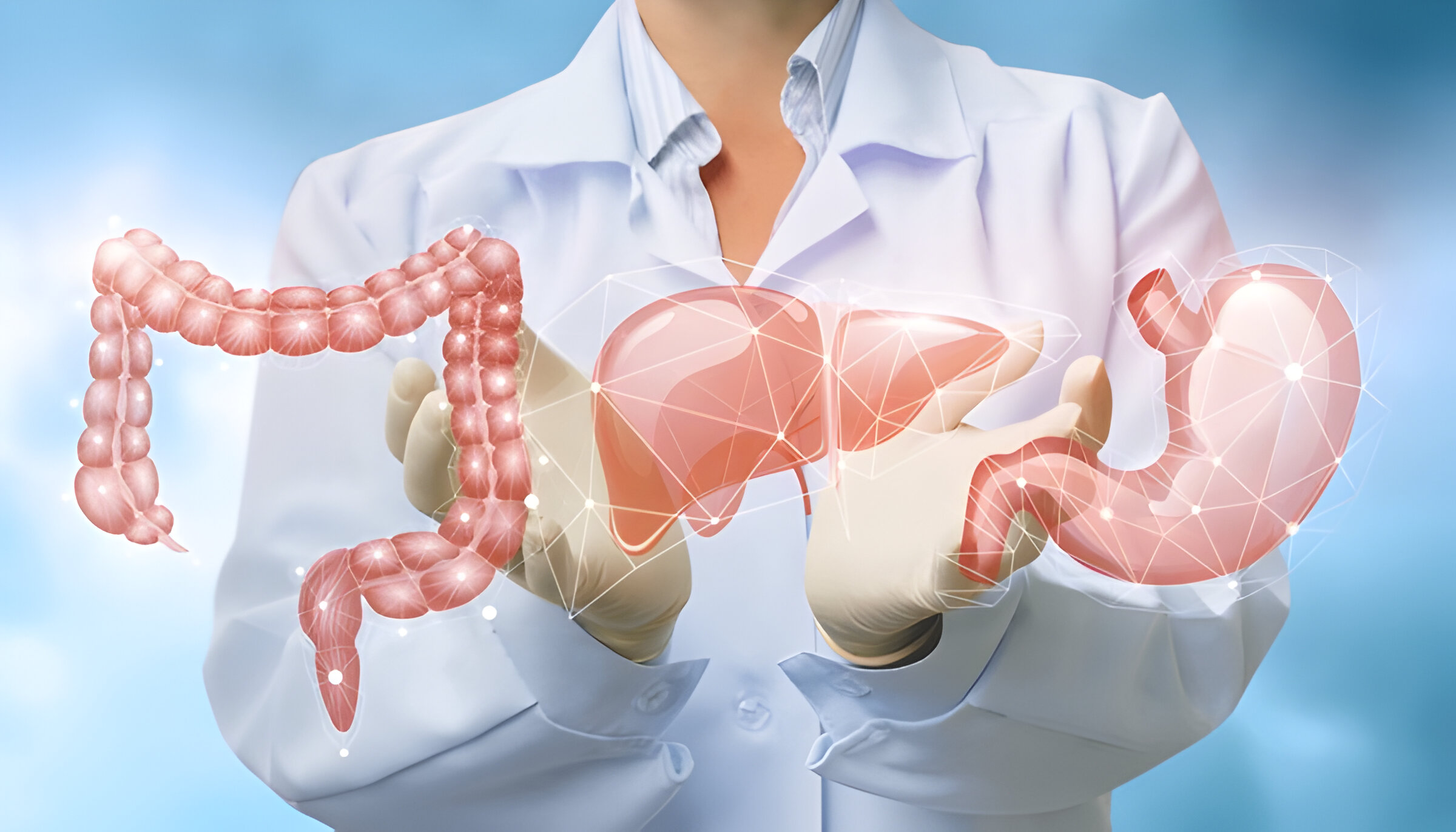
The gastrointestinal (GI) system plays a crucial role in digestion, nutrient absorption, and waste elimination. Disorders in this system can lead to a range of symptoms and complications, affecting overall health and quality of life. Here’s an overview of some common GI disorders:
1. Gastroesophageal Reflux Disease (GERD):
- Description: GERD is a chronic condition where stomach acid frequently flows back into the esophagus, leading to irritation and symptoms like heartburn, chest pain, and difficulty swallowing.
- Causes: Weakness or malfunction of the lower esophageal sphincter (LES), obesity, pregnancy, smoking, and certain foods.
- Management: Lifestyle changes, medications (like antacids, H2 blockers, or proton pump inhibitors), and in severe cases, surgery.
2. Irritable Bowel Syndrome (IBS):
- Description: IBS is a functional GI disorder characterized by abdominal pain, bloating, and altered bowel habits (diarrhea, constipation, or both). It’s not associated with structural abnormalities but impacts the quality of life significantly.
- Causes: The exact cause is unknown, but factors like stress, diet, gut-brain interaction, and intestinal muscle contractions may contribute.
- Management: Dietary modifications (low FODMAP diet), stress management, probiotics, and medications to relieve symptoms.
3. Inflammatory Bowel Disease (IBD):
- Types: Includes Crohn’s disease and ulcerative colitis.
- Description: IBD involves chronic inflammation of the GI tract. Crohn’s can affect any part of the GI tract, while ulcerative colitis is confined to the colon and rectum.
- Causes: The exact cause is unknown but may involve genetic, environmental, and immune system factors.
- Symptoms: Chronic diarrhea, abdominal pain, weight loss, and fatigue.
- Management: Medications (anti-inflammatory drugs, immunosuppressants), dietary changes, and sometimes surgery.
4. Peptic Ulcer Disease (PUD):
- Description: Peptic ulcers are open sores that develop on the inner lining of the stomach or the upper part of the small intestine. They can cause burning stomach pain, nausea, and, in severe cases, bleeding.
- Causes: Often caused by infection with Helicobacter pylori bacteria or long-term use of nonsteroidal anti-inflammatory drugs (NSAIDs).
- Management: Antibiotics (for H. pylori), medications to reduce stomach acid, and lifestyle modifications.
5. Celiac Disease:
- Description: An autoimmune disorder where ingestion of gluten leads to damage in the small intestine. It causes malabsorption of nutrients, leading to various symptoms like diarrhea, bloating, and fatigue.
- Causes: Genetic predisposition triggered by gluten consumption.
- Management: Strict gluten-free diet for life.
6. Gallstones:
- Description: Solid particles that form in the gallbladder, often leading to pain, nausea, and vomiting if they block bile ducts.
- Causes: High cholesterol, obesity, rapid weight loss, and certain medical conditions.
- Management: Dietary changes, medications to dissolve stones, and in severe cases, surgery to remove the gallbladder.
Importance of Early Diagnosis and Management
Early diagnosis and appropriate management of GI disorders are crucial to prevent complications and maintain overall health. If you experience persistent GI symptoms, it’s essential to seek medical advice for proper evaluation and treatment.